As by the word “Imposter” we can understand that it is about being someone who can outwit another person for their fraudulent gain. The syndrome makes the person feel like a deceiver among their faction which leads to the feeling of trepidation of being a humbug. The individual who struggles through the Imposter Syndrome starts getting the feeling of inadequacy. They find difficulties acknowledging the rationality behind their success and start sensing that they aren’t as competent or intelligent as others might think. Impostorism can also make the person to attribute their achievements to transient causes, such as luck, good timing or effort that they cannot regularly expend. A person can struggle with pressure and personal expectations whether in the areas of academic achievement or career success.

Seeds rooting behind Imposter Syndrome
Imposter Syndrome is another name for Cagpras Syndrome named for the doctor who treated a patient with it nearly 100 years ago. This syndrome is uncannily common and about 70% of crowd are afflicted by it. One of the main takeaways from this research is that Impostor Syndrome is highly common even among successful people. Which means you could have professional excellence, fame, academic achievements, and recognition; but you are still vulnerable to it.
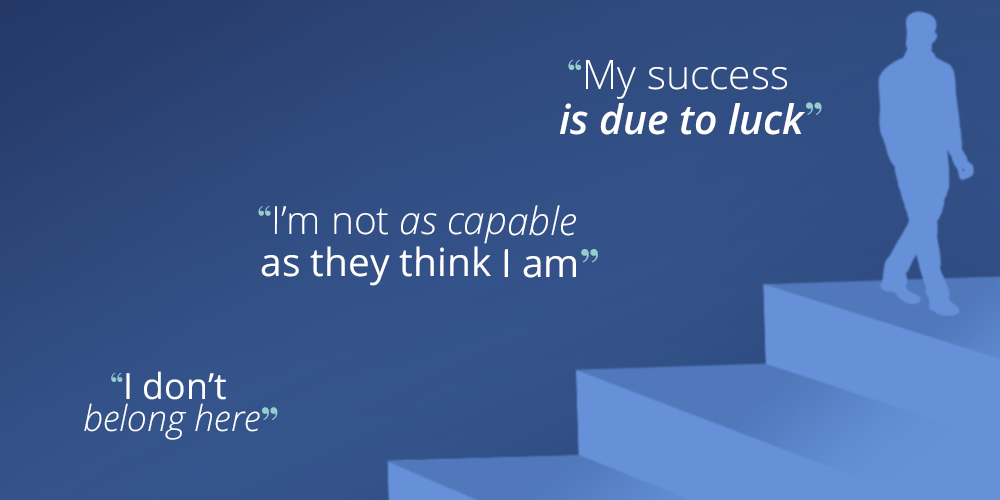
If I ask you one question: “How should you act vs how you actually act when in front of crowd?” You try to act according to the community around us and sometimes you might not be habitual to the surrounding but because of FOMO (fear of missing out) you might change yourself in a certain way to get along with the mass.
This is the crux of Imposter Syndrome. The degree to which we try to define ourselves by how we present ourselves to others—whether by the makeup that we wear, the art that we hang on our walls, and so on—is to the degree to which we feel fake.
This inauthenticity is the discrepancy between some motive and some end result. Something doesn’t match, and as a result, you feel as if you are an imposter. It is for this reason that those with Imposter Syndrome, have some guilty truths that they are suppressing.
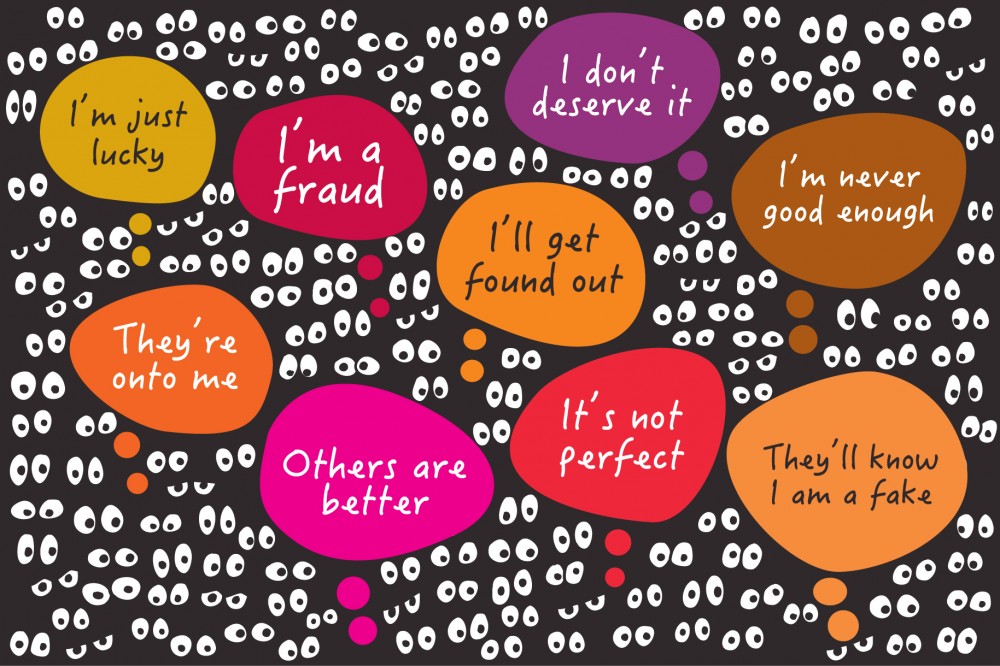
For example: If your teacher over compliments you by saying that “oh you’re so smart”. But when you get a bad grade, you start questioning yourself by thinking, “I got a C this time, then maybe I’m not smart after all? Teacher must be wrong.” As a result, it decreases their willingness to try new things, for fear they might prove their label wrong. This lays fertile ground for impostors.
Is there awareness about Imposter Syndrome?
At some time in our life’s, we all might have passed through this syndrome. This discern of the impostorism is common but the awareness about this syndrome is comparatively less.
How to combat the Imposter Syndrome?
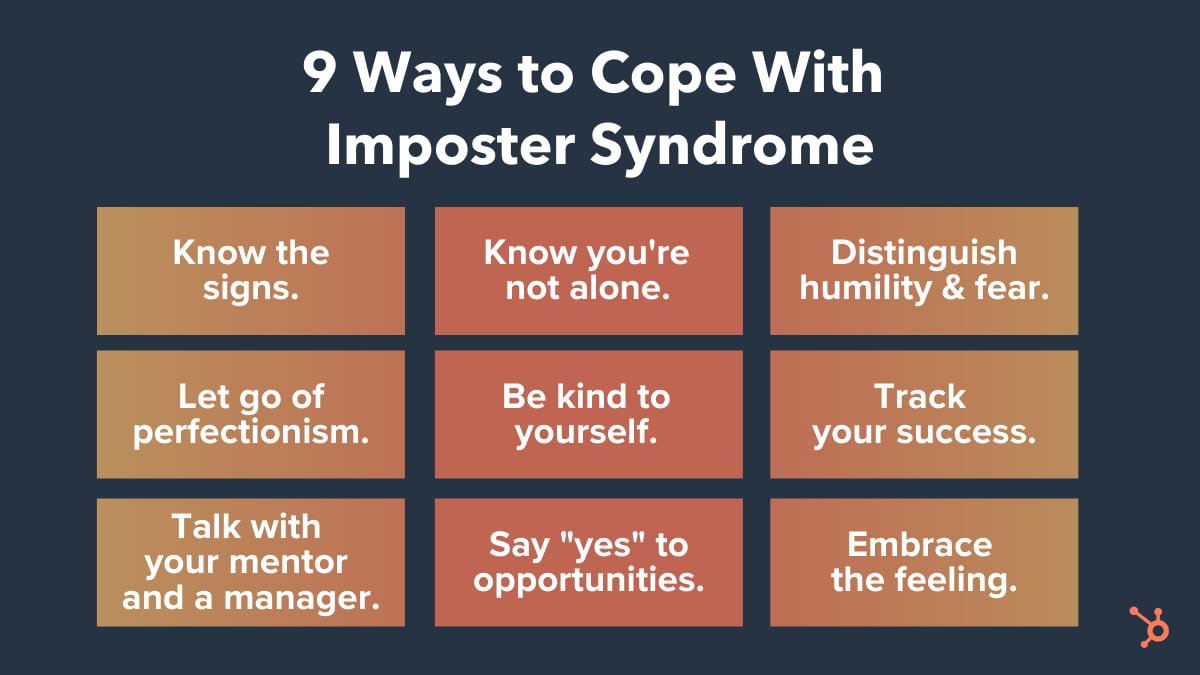
- Remember what all you have accomplished and the efforts behind it.
- People around you support and credit you for a reason and because they know you are capable.
- Mentor other people
- Acceptance to initial failures
- Make a list of your achievements
Why is it important to open up about it?
The more we talk about our Imposter Syndrome. The more we share how very human we all are, the less power it has over us. If most people have it and men and women have it equally then just knowing it’s part of the human condition makes it easier to cope with. One of the main root problems of Impostor Syndrome lies in the fact that we know ourselves from the inside out, but we know everybody else from the outside in. We all know about the mechanisms, flaws, and the horrible intricacies of ourselves; but only a handful of other people’s.
Impostor Syndrome is our brains telling us that in order for us to be worthy of recognition, we need to reach a certain standard. Except, the people who have set and even exceeded those standards might still fail to recognise their own worth.
We see everybody else through their shiny exteriors. As a result, we fail to see how in the inside they’re just as self-conscious as we are. It doesn’t disappear after reaching a certain number of accomplishments. We don’t feel this way because we’re colossal failures. We feel it simply because we are human beings with complicated emotions.
 The Blogosphere