Impulse Control Disorders can be a vague term for the people who aren’t aware about it. These disorders are often misconceived as an impulsive reaction in certain situations. Impulse Control Disorders are more than just an impulsive reaction, it is a class of psychiatric disorders characterized by impulsivity whether it be in a fight or an argument, while shopping, while eating, consuming drugs or alcohol or other activities.

Impulsiveness is generally very common in many people but the abundance of the impulsive behaviour which can be really fatiguing to control then it can be identified as an impulse control disorder. Nugatory impulsiveness can be compos mentis because of our human nature.
How to distinguish between healthy impulsiveness and a disorder?
The key factor in distinguishing between healthy impulsiveness and an impulse control disorder is that-
- You experience negative consequences as a result of acting on your impulse.
- You are aware of the negative consequences associated with the impulses, but you are unable to resist the urge to act on your impulses.
- You find pleasure acting on impulse.
- You feel like you are out of control regarding to your impulsive actions.
- You feel guilt and ashamed after the impulsive act.
Varied sorts of Impulse Control Disorders
It is not possible to term impulse control disorder as one. There are numerous psychiatric disorders which come under ICD. Some are mentioned below:
- Oniomania
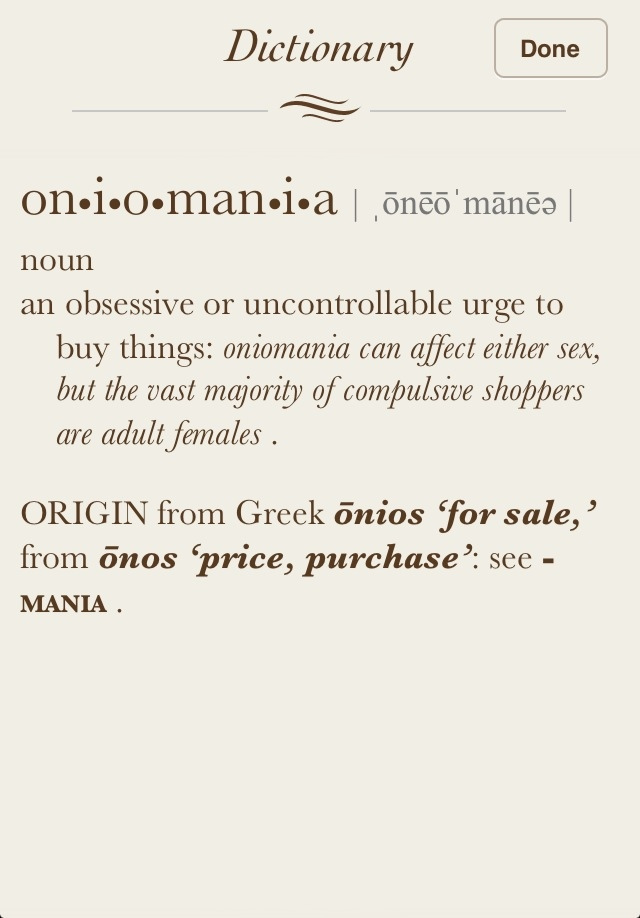
Compulsive buying disorder is derived from the word oniomania. According to the German physician Max Nordau the term oniomania means “buying craze”. The person has no control over shopping and cannot resist the compulsion and impulsively keeps shopping. It is also known as ICD-10.
- Kleptomania
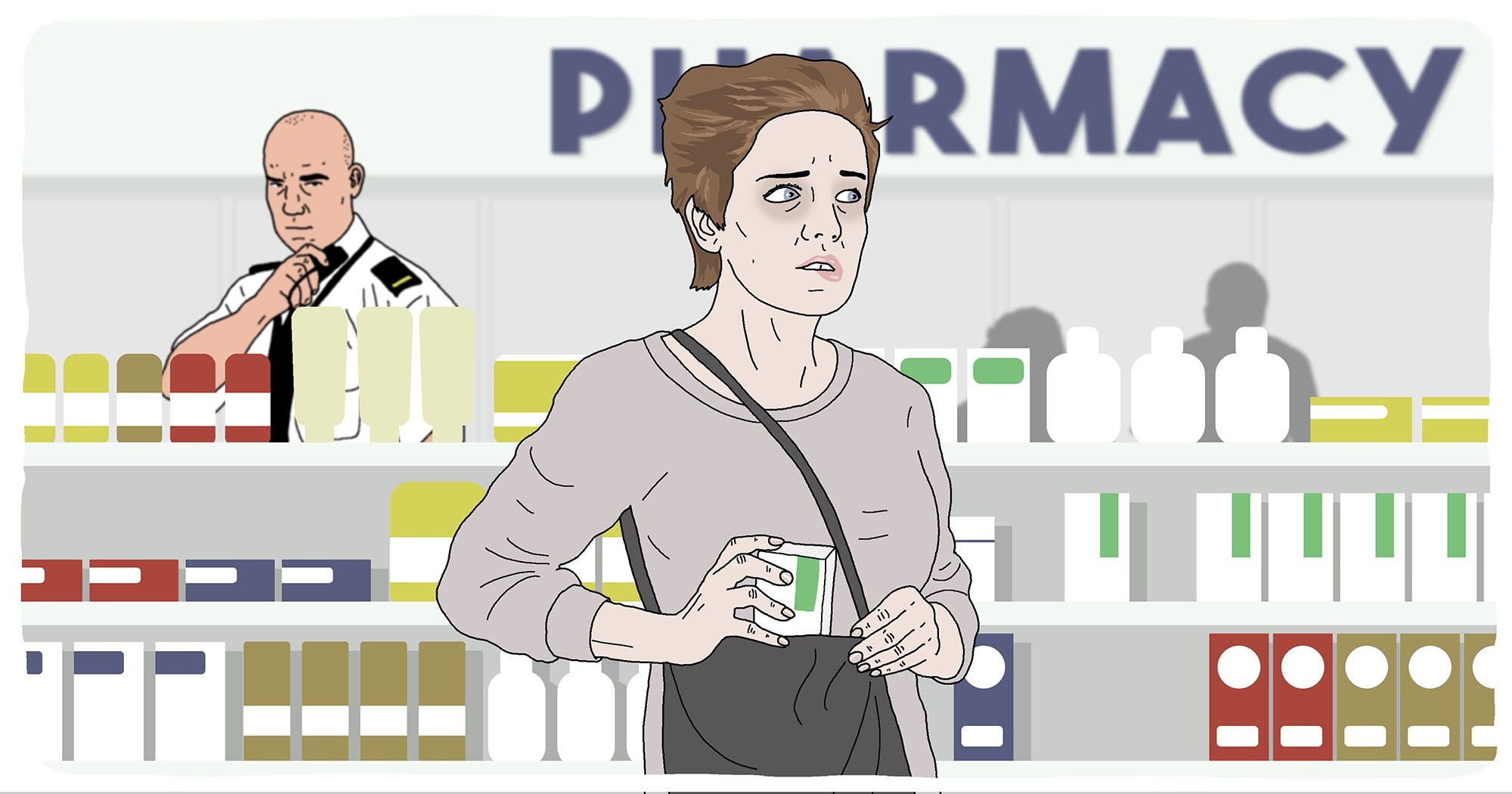
Kleptomania is one of the Impulse Control Disorders where a kleptomaniac cannot resist the recurring urge to steal items not necessarily for themselves. It is a rare disorder. About 0.3 to 0.6 people in world are kleptomaniac
Signs of a kleptomaniac-
- Would steal something and throw it afterwards.
- Would not steal because of anger, revenge, or in response to delusions or hallucinations.
- Would get pleasure and satisfaction after stealing
- Pyromania
Pyr means fire and mania means insanity. By this we can conclude that it is a disorder to do with insanity causing fire. Pyromania is a type of disorder in which individuals repeatedly fail to resist impulses to deliberately start fires, in order to relieve some tension or for instant gratification. Pyromania can be defined as the “pathological tendency to provoke fires”. The fires take place without a specific motivation and respond to an impulse that arises from the subject that cannot control.
- Trichotillomania

It is a condition which causes the person suffering from trichotillomania an uncontrollable spur of pulling out body hair which may cause baldness in that region. It can be affected genetically and also by environmental conditions. The hair pulling is done to relieve stress and the person might chew and eat the pulled hair later. It can also be done automatically; for example: while watching television. The same person may do both focused and automatic hair pulling, depending on the situation and mood. Certain positions or rituals may trigger hair pulling, such as resting your head on your hand or brushing your hair.
- Dermatillomania

Obviously by the name we can understand it is something to be with skin. It’s another type of Impulse Control Disorder which manifests constant picking of skin either consciously or unconsciously. It is also known as EXCORIATION DISORDER.
Other common sorts of Impulse control disorder are-
- Onychophagia (Compulsive Nail Biting)
- Compulsive eating
- Hyper sexuality
- Pathological gambling
- Intermittent Explosive Disorder
Treatment
- Impulse control disorders mentioned above can be treated by PSYCHOTHERAPY and PHARMACOLOGY.
- It can be tough for a person going through the disorders to control the urge but it can be controlled by getting a COGNITIVE THERAPY which makes the person realise the behavioural pattern and the bad consequences and help control it.
- EXPOSURE THERAPY can help control the urge of the psychological disorder.
Some Impulse Control Disorders can be common and some can be rare, some can be curable and some can be controlled. Impulse Control Disorders have many types of disorders under it but it is imperative to know that healthy impulsiveness is important but if it goes beyond the level of healthy and can be distinguished as abnormal it is suggested to consult a professional healthcare doctor who can come up with a suggested treatment plan.
 The Blogosphere