Loads of individuals are abused at some point of their life. Some abuses can be extremely traumatic as our brain is not ready to accept the fact that we have been abused in a certain way. Majority of people feel ashamed of being abused and live in the trauma of being abused for the rest of their life instead of opening up and talking about it to the people they trust or a certified therapist. There’s nothing to feel ashamed about.
Majority of people go through the abuses mentioned above but not everyone is aware about it. Some suffer in silence and some people have no idea that they might be going through such abuses. Thus it is important to be acknowledged about the data so you can identify the abuser and type of abuse and make appropriate move. Numerous amounts of people are sufferers of such abuses and violence but are too ashamed to talk about it. Why? No one should be ashamed of the fact and seek help and talk about it in front of a trusted one. Keeping in the trauma and repressing the stress will do nothing but harm your body mentally and physically. The victim might feel too depressed and might get PTSD after going through a trauma. It is requisite to talk to a certified therapist and seek help.
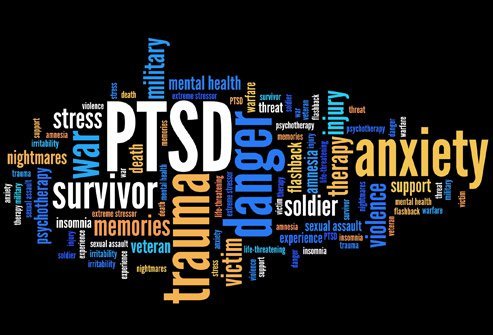
Trauma can include dangerous, frightening, or extremely stressful situations or events. Some major traumas can leave a very impactful after effect so deeply which changes certain aspects about that person. Extreme level of trauma causes PTSD which is a mental illness.
Excessive trauma can lead to-
1) Cognitive errors
2) Excessive or inappropriate guilt
3) Idealization
4) Delusions and hallucinations
These are some of the effects of the trauma which affect our cognitive self. Trauma can make a person start self-destructing activities.
The good part
A variety of reactions are often reported and/or observed after trauma. Most survivors exhibit immediate reactions, yet these typically resolve without severe long-term consequences. This is because most trauma survivors are highly resilient and develop appropriate coping strategies, including the use of social supports, to deal with the aftermath and effects of trauma. Most recover with time, show minimal distress, and function effectively across major life areas and developmental stages.
The best way to deal with any type of major trauma is to talk to a counselor, who will gradually and eventually help a person come out of that traumatic phase if not fully then partially. It’s better to do something than doing nothing, right? Number of trauma’s are often connected with the types of abuse a person goes through and to understand the reasons lying behind the trauma which is connected to any kind of abusive past or present it is necessary to know the kinds of abuses which lingers in our society.
Types of abuses
It’s often misunderstood that there are only three types of contemporized abuses which are physical, domestic and mental. But it is necessary to comprehend and get aware that there are more than three abuses.
Sorts of abuses:
1) Physical 2) Domestic violence 3) Sexual 4) Psychological 5) Emotional 6) Financial or material 7) Discriminatory 8) Organizational or institutional abuse 9) Child abuse
10) Verbal Supplementary insights about the beyond topics-
Physical abuse

Physical abuse in a relationship often starts gradually, such as with a push or a slap, and then becomes progressively worse over time. Physical violence is always illegal. If you have been physically abused, there are things you can do to get support. Some physical abuse symptoms-
1) Assault, hitting, slapping, punching, kicking, hair-pulling, biting, pushing. 2) Rough handling 3) Scalding and burning 4) Physical punishments 5) Inappropriate or unlawful use of restraint 6) Making someone purposefully uncomfortable
7) Involuntary isolation or confinement
8) Misuse of medication (e.g. over-sedation)
9) Forcible feeding or withholding food
10) Unauthorized restraint, restricting movement
Domestic abuse
Domestic abuse includes any attempt by one person in a marriage or intimate relationship to dominate and control the other. Domestic abuse is not just related to sexual or physical abusive. It covers up numerous types of aspects which are-
Psychological– The abuser often throw in threats of physical violence or other repercussions if you don’t do as they want. Excessive blackmailing done by the abuser.
Physical– Abusive partner lashes out with aggressive, belittling, or violent behavior. This treatment is a power play designed to show you “who is boss.”
Financial– Rigidly controlling your finances. Withholding money or credit cards.
Emotional– An abuser will do everything they can to lower your self-esteem or make you feel defective in some way. Insults, name-calling, shaming, and public put-downs are all weapons of abuse designed to erode your self-worth and make you feel powerless.
Sexual abuse
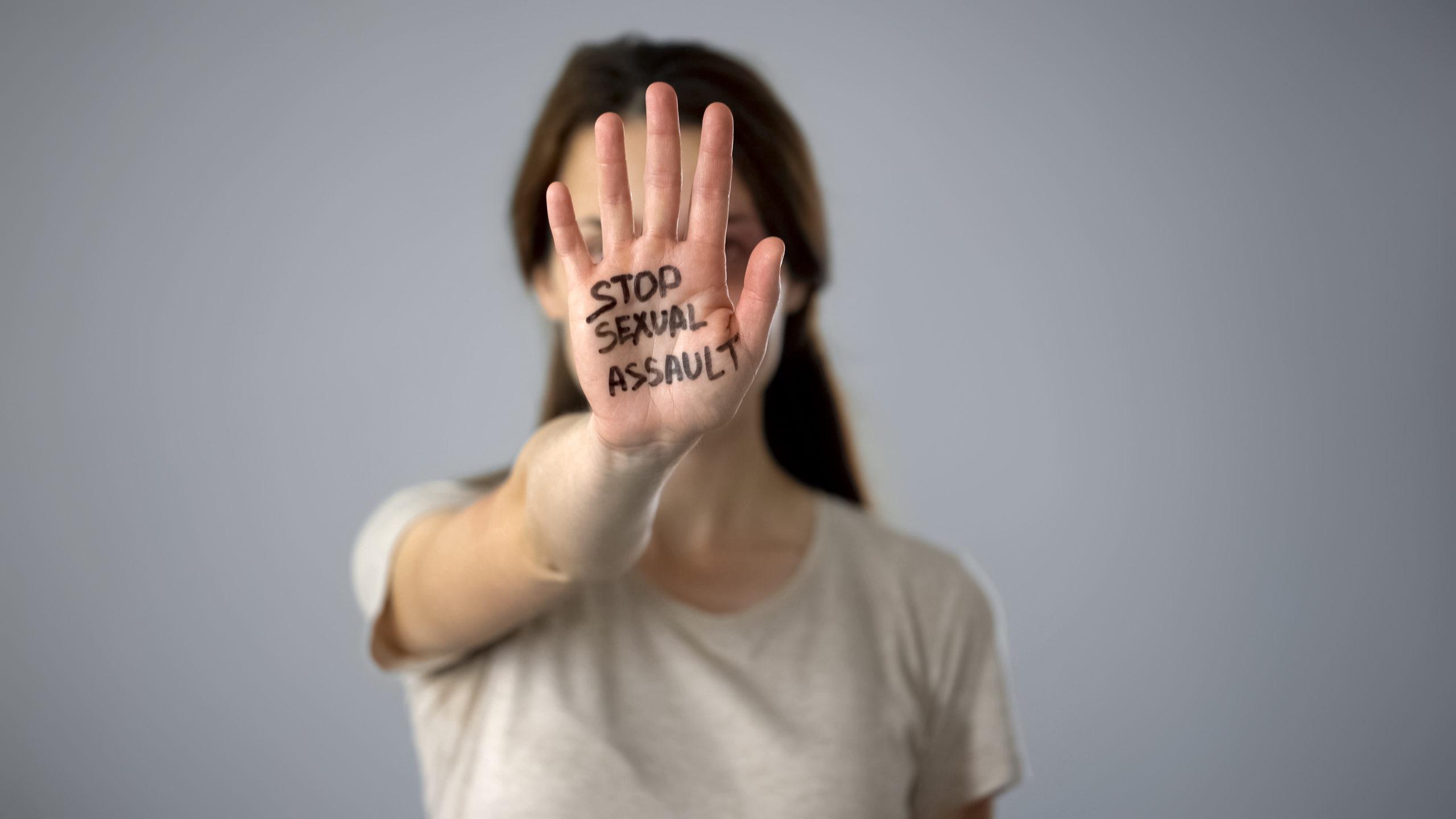
Mistreat you, touch you without your consent and indulge you in unwanted sexual activity, with perpetrators using force, making threats or taking advantage of victims not able to give consent.
Financial or material abuse
Withholding money, stealing money, and restricting the use of finances are some examples of financial abuse. While less commonly understood than other forms of abuse, financial abuse is one of the most powerful methods of keeping a victim trapped in an abusive relationship.
Discriminatory abuse
Unequal treatment based on age, disability, gender reassignment, marriage and civil partnership, pregnancy and maternity, race, religion and belief, sex or sexual orientation. This is when someone treats you unfairly because they think you are different from them. This can be because of your: Age, Sex, Religion or belief, Disability/ ability, Sexual orientation and Gender.
Organizational or institutional abuse
Organizational or institutional abuse is the mistreatment of people typically in their workplace brought about by poor or inadequate care or support, or systematic poor practice that affects the whole care setting. It occurs when the individual’s wishes and needs are sacrificed for the smooth running of a group, service or organization.
Child abuse
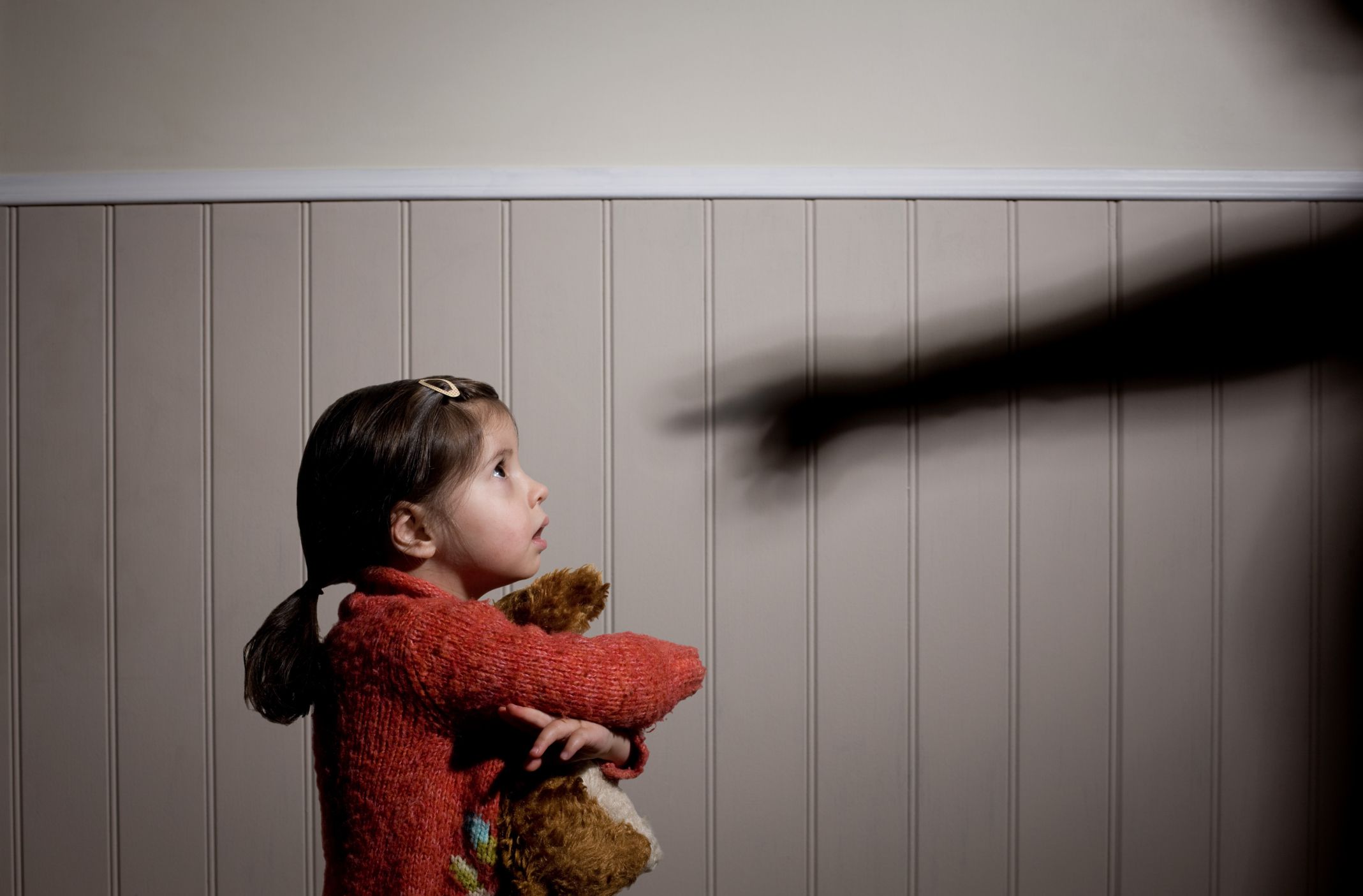
Children either witnessing or experiencing are at serious risk for long-term physical and mental health problems. Children who witness violence between parents may also be at greater risk of being violent in their future relationships. They experience emotional, mental, and social damage that can affect their developmental growth. Some children lose the ability to feel empathy for others. Others feel socially isolated, unable to make friends as easily due to social discomfort or confusion over what is acceptable.
Take action!
Sometimes people are not able to address the abuse either because they are in denial or they are not aware that what they are going through is an abuse. In order to stop it we should be able to address the abuse to take further steps. If you relate to any of the above described abuses it means that you have been abused in either way and it is necessary to take a step. If you have been abused for a long time it’s time to act.
How can you take actions?
1) Identify and know that you have been abused. 2) Act immediately before it gets any worsened. 3) It is necessary to first address which type of abuse are you going through. 4) Share this with your trusted ones because sharing problems makes us feel mentally and stressfully lighter. Don’t feel shamed about what people will think. 5) If you can take any action by yourself and manage it, try that first. 6) If you cannot deal with it, it is needed to contact the helpline numbers mentioned below in the link. https://indianhelpline.com/WOMEN-HELPLINE/ 7) Contact a therapist or a counselor to seek further help for post traumatic phase.
Getting abused is a major deal and it needs to be paid attention to.
 The Blogosphere
Keep rocking with amazing blogs
LikeLiked by 1 person